The structural transformation of the Niseko United mountain network is expanding to its western flank. Following major lift overhauls at Grand Hirafu and Niseko Village, Hokkaido Chuo Bus Co.—the parent operator of Niseko Annupuri Kokusai Ski Area—has finalized plans for a complete architectural and technical renewal of the primary Annupuri Gondola.
The current system, a critical mountain artery in service since 1985, will be entirely dismantled and replaced. Construction timelines confirm that the high-capacity system will be fully operational ahead of the 2028/29 winter season, correcting long-standing base congestion and elevating the region’s luxury property profile.
Lift Performance Specifications
The modernization replaces old six-person cabins with an advanced, high-speed footprint designed to handle growing international visitor volumes. By standardizing lift metrics across the mountain, the upgrade achieves a clear shift in transit efficiency:
- Cabin Capacity Expansion: Passenger thresholds increase from 6 individuals to 10-passenger enclosed cabins.
- Uplift Capacity Optimization: Total hourly throughput will double, shifting from 1,440 persons per hour to 2,800 persons per hour—a 94% net increase in base evacuation speed.
- Transit Velocity Acceleration: High-velocity line engineering will compress the ascent timeline, reaching the upper terminal 90 seconds faster than the legacy system.
The redevelopment is part of an all-season master plan. The new 10-person carriages are specified for multi-season utility, featuring internal configurations to transport mountain bikes, hiking assets, and sightseers during the summer and autumn months.
Part of a Mountain-Wide Infrastructure Overhaul
This development is not an isolated asset expansion. It marks the third major transit modernization across the Niseko United network, highlighting a synchronized cycle of institutional investment aimed at supporting luxury residential and hotel growth valley-wide.
This coordinated growth cycle provides clear context for regional real estate dynamics:
- Grand Hirafu (2024 Launch): Launched the high-speed 10-person Ace Gondola under Tokyu Land Corporation’s Value Up NISEKO 2030 initiative, doubling uphill capacity.
- Niseko Village (December 2026 Launch): As analyzed in our recent Niseko Village Infrastructure article, construction is progressing on the all-weather Shin Mori-no Gondola, substituting an open two-seater chair with an 8-passenger enclosed fleet to ease village base congestion.
- Niseko Annupuri (Winter 2028 Launch): The newly announced Chuo Bus project completes this logical progression, standardizing premium cabin design and upload speed across all major valley portals.
Strategic Implications for Annupuri Real Estate Portfolios
For private equity portfolios and high-net-worth individuals evaluating real estate acquisitions, this multi-year infrastructure pipeline alters local property metrics across three core pillars:
1. Capital Protection via Base Efficiency
By doubling the base throughput to 2,800 people per hour and cutting ascent times by 90 seconds, the new gondola addresses historical morning congestion. Removing this bottleneck improves the premium ski-in, ski-out market performance of immediate properties, ensuring that adjacent residences match the premium operational standards found in mature European markets.
2. Unlocking Premium Non-National Park Land
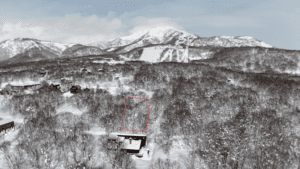
Unlike major portions of Grand Hirafu, substantial parcels of developable land surrounding the Annupuri base sit outside strict National Park conservation zoning boundaries. Upgrading the mountain’s lift capacity directly improves the commercial feasibility of over 5 hectares of prime, ski-adjacent land. This creates an immediate geographic runway for master-planned luxury estates and boutique branded residences that face legal restrictions elsewhere on the mountain.
3. Stabilization of the Four-Season Yield Model
Annupuri has long been a preferred hub for domestic summer tourism due to its high-concentration natural hot springs (onsen) and localized agricultural attractions like the Niseko Takahashi Dairy Farm. Transitioning the core gondola to an all-season, 10-passenger transit system creates a reliable infrastructure to capture non-skiing summer revenue. For asset owners, this year-round utility extends booking calendars into the green season, stabilizing occupancy yields and supporting long-term capital preservation across a twelve-month horizon.
Summary for Private Portfolios
The complete renewal of the Annupuri Gondola by Hokkaido Chuo Bus Co. serves as an explicit indicator of long-term corporate confidence in Niseko’s western flank. When institutional operators deploy significant capital to upgrade core lift logistics, they establish a secure, asset-backed environment for private real estate investment. Capital positioned within these expanding infrastructure zones benefits from long-term structural demand, exceptional asset scarcity, and optimized rental yields.