For many Niseko property owners, the objective is not purely income and not purely lifestyle. It sits somewhere in between.
This balance is what differentiates resort property from traditional real estate investment. A property may appear attractive on headline revenue, but true performance is shaped by a broader set of variables. Location, configuration, operating structure, owner usage, and regulatory considerations all influence what ultimately translates into net yield.
Understanding these dynamics is essential. In a market like Niseko, the difference between a well-performing asset and an underperforming one is rarely dramatic. It is usually the result of alignment — or misalignment — across several smaller factors.
How Short-Term Rental Potential Varies by Area
Location remains one of the most consistent drivers of rental performance, but its impact is more nuanced than simple proximity to lifts.

Core Resort Areas: Hirafu and Hanazono
Hirafu and Hanazono continue to attract the highest concentration of short-term guests. These areas benefit from walkability, immediate lift access, and proximity to restaurants, retail, and services. For many visitors, particularly international travellers, convenience defines the experience.
This typically translates into stronger winter booking demand and more consistent occupancy during peak periods. Properties in these zones require less justification. Their positioning aligns naturally with guest expectations.
Peripheral Areas: Space, Privacy, and Differentiation
Properties outside the core can still perform well, but they rely on different strengths. Space, privacy, design quality, and natural outlook become more important in attracting bookings.
These assets often appeal to guests seeking a quieter or more premium experience. However, they depend more heavily on positioning and management to compete with central inventory.
Location, therefore, does not operate in isolation. It sets the baseline, but performance depends on how well the property’s characteristics align with that location.
Which Property Types Tend to Perform Best
Property type plays a critical role in determining both operational efficiency and rental appeal.
Condominiums: Efficiency and Flexibility
Condominiums dominate Niseko’s residential supply for a reason. They are typically easier to manage, more operationally efficient, and better suited to short-term rental frameworks.
From an owner’s perspective, they offer a more straightforward pathway to balancing personal use with income generation. Standardised layouts, shared building services, and professional management integration all contribute to more predictable performance.
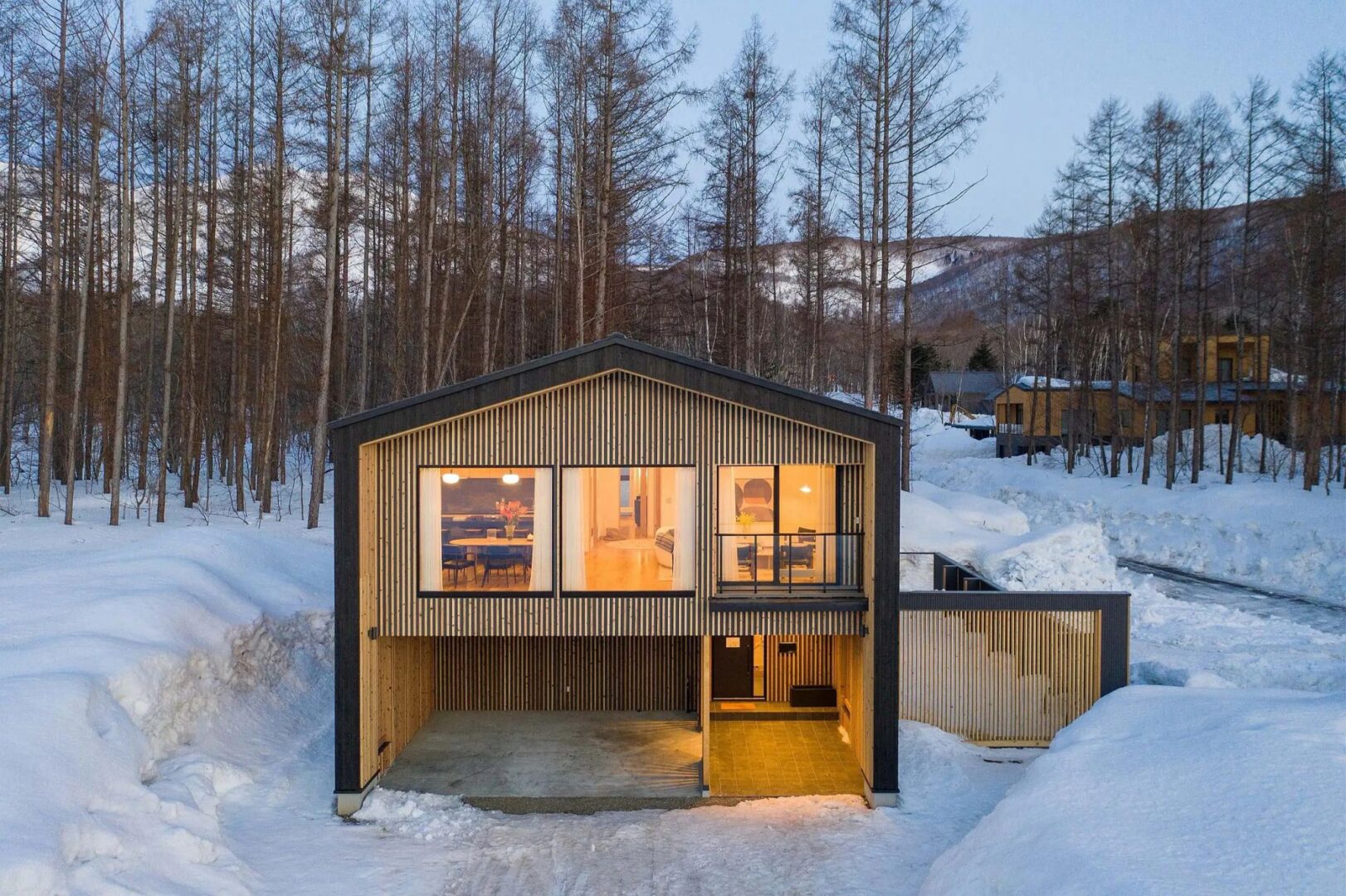
Villas: Lifestyle Priority with Selective Rental Appeal
Villas occupy a different segment of the market. They are often purchased with lifestyle as the primary driver, with rental income as a secondary consideration.
While some villas perform strongly, particularly those with high-end positioning and strong management, they generally require more active oversight and a clearer operational strategy to match condominium efficiency.
For many first-time buyers, this distinction is important. The choice of property type directly shapes the achievable return profile.
Owner Usage and Its Impact on Returns
One of the most common misconceptions in resort property ownership is the assumption that personal use and maximum rental income can coexist without compromise.

The Value of Peak Winter Weeks
In Niseko, the highest revenue is typically generated during a relatively short winter window. Christmas, New Year, and peak January weeks represent a disproportionate share of annual income.
Using the property during these periods has a direct impact on total yield. This does not make ownership less attractive, but it changes the nature of the return. It becomes a lifestyle-supported investment rather than a fully optimised income asset.
Seasonal Dynamics and Operational Efficiency
Winter and summer behave differently. Winter guests tend to stay longer, often in family or group configurations. Summer stays are generally shorter, placing greater emphasis on turnover efficiency and operational consistency.
This is where professionally managed buildings often have an advantage, particularly outside peak season. Their systems are designed to handle higher turnover with minimal friction.
Owner usage should therefore be considered alongside these dynamics. The timing of personal stays matters as much as the number of nights.
What Actually Drives Net Yield
Gross rental income is often the most visible figure, but it rarely reflects the true performance of a property.
The Impact of Operating Costs
Net yield is shaped by a range of recurring costs, including management fees, booking platform commissions, cleaning, utilities, and maintenance. In an alpine environment, these costs are not incidental. Snow clearing, heating, and ongoing wear all contribute to a higher operating baseline than urban assets.
Vacancy and Operational Gaps
Vacancy is not only driven by demand. It is also influenced by owner block-out periods, maintenance downtime, and operational inefficiencies.
Even well-located properties can underperform if they are not managed effectively. Conversely, strong management can partially offset location disadvantages.
Maintenance as an Investment Variable
In Niseko, maintenance should be viewed as part of the investment structure rather than an afterthought. Properties that are well maintained not only perform better in rental terms but also retain stronger resale appeal.
Net yield is therefore the product of multiple interdependent variables. Focusing on income alone provides an incomplete picture.
Regulations, Building Rules, and Operational Constraints
Regulatory and structural considerations play a more significant role in Niseko than many first-time buyers expect.
Taxation and Cost Implications
Accommodation taxes are evolving across Hokkaido. Kutchan currently applies a flat structure, while Niseko Town is moving toward a unified system. These changes influence pricing, operator processes, and ultimately net returns.
While not always front of mind, these factors should be incorporated into financial modelling.
Building Rules and Rental Viability
Not all properties are equally suited to short-term rental. In Japan, building rules and homeowners association policies can directly affect whether short-term letting is permitted.
Where documentation is unclear, additional confirmation may be required. In practice, this means that rental viability is not solely determined by location or design. Governance at the building level can be equally important.
Access and Long-Term Demand Drivers
Infrastructure and accessibility continue to shape Niseko’s long-term outlook. Expanding international flight routes into Hokkaido strengthen the region’s global profile and support demand growth over time.
These developments do not guarantee performance for individual properties, but they reinforce the importance of owning assets that align with international visitor expectations.
Looking Beyond Gross Revenue
The highest-grossing property is not always the best-performing one.
Performance in Niseko is determined by alignment. Location, layout, management model, and ownership expectations must work together. When they do, the asset operates efficiently, guest satisfaction improves, and income becomes more consistent.
When they do not, friction appears — in the form of lower occupancy, higher costs, or reduced resale interest.
Final Thoughts: The Best Returns Come From Alignment
Net yield in Niseko is shaped by a combination of factors rather than a single driver.
The most important considerations tend to be consistent:
- Micro-location and accessibility
- Layout suitability for guest demand
- Operational efficiency and management quality
- Owner usage patterns
- Regulatory and structural constraints
When these elements are aligned, properties tend to perform with greater stability and predictability.
In a maturing market, that consistency is often more valuable than chasing maximum theoretical returns.