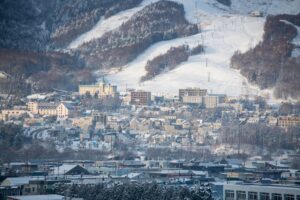
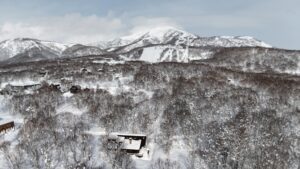
Hakuba Happo-One Ski Resort has announced one of the most significant infrastructure upgrades in the Hakuba Valley in decades: a new high-capacity gondola and base area redevelopment scheduled for December 2027.
The new system will run from the Nakiyama base area to Usagidaira mid-mountain, replacing ageing lift infrastructure and modernising the resort’s primary access route.
From a technical standpoint, the upgrade is substantial:
- Lift length of approximately 2,180 metres
- Vertical rise of 652 metres
- Capacity increase from 1,350 to 2,400 peopleper hour
- Faster operating speeds, reducing wait times significantly
This positions Happo-One alongside leading global resorts that have prioritised high-speed, high-capacity lift systems to improve skier flow and overall experience.
How This Will Change Happo-One
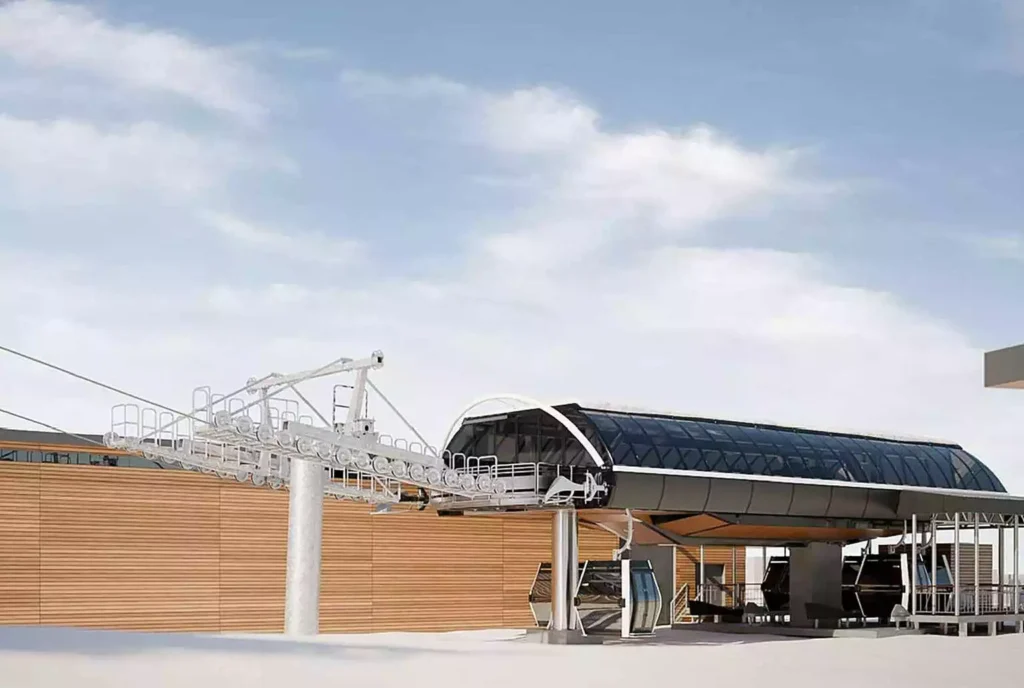
The immediate impact is straightforward: better access, less congestion, and a more premium on-mountain experience.
Queue reduction is the most obvious benefit. During peak periods, the existing gondola and lift network can create bottlenecks at the base. Doubling uplift capacity directly addresses this, allowing guests to spend more time skiing and less time waiting.
Beyond that, the redevelopment of the Nakiyama base area introduces a broader shift. Plans include upgraded parking, rental facilities, and guest amenities, signalling a move toward a more integrated resort base comparable to modern alpine destinations.
For visitors, the change is operational. For investors, it is structural. Infrastructure upgrades of this scale tend to influence:
- Perceived quality of the resort
- Ability to handle peak demand
- Long-term competitiveness against destinations like Niseko
Infrastructure Momentum Across Japan’s Ski Resorts
The Happo-One gondola is not an isolated project. It forms part of a broader wave of investment across Japan’s ski industry.
Recent developments include:
- New high-speed gondolas in Niseko, increasing uplift and modernising base access
- Continued expansion in Hanazono and Furano
- Strengthening international air access into Hokkaido and regional gateways
This reflects a clear trend. Resorts are investing proactively rather than reactively, recognising that infrastructure quality is now a core driver of both tourism demand and real estate performance.
Hakuba itself has seen strong growth in visitor numbers, with recent seasons reaching record levels, reinforcing the need for upgraded lift systems and improved guest flow.
What This Means for Property in Hakuba
Infrastructure upgrades of this scale typically translate into three key property impacts.
1. Stronger Rental Appeal
Improved lift access enhances guest experience, particularly for short-stay international visitors who prioritise convenience. Reduced queues and faster mountain access directly improve booking appeal.
2. Increased Liquidity
As resorts modernise, buyer confidence tends to increase. Properties in well-serviced areas become easier to understand and easier to resell, particularly for international investors.
3. Repricing of Core Locations
Base areas connected to major lift upgrades often see renewed interest. In Happo-One’s case, the Nakiyama base and surrounding zones are likely to benefit most from increased foot traffic and improved amenity.
NISADE Real Estate: Opportunities Near Happo-One
For buyers looking to align with this infrastructure shift, the focus should remain on proximity, usability, and long-term positioning.
The Nakiyama base area redevelopment and new gondola will concentrate activity around one of Happo-One’s most important access points. Properties within walking distance or with efficient shuttle access to this zone are likely to see the strongest uplift in both rental appeal and buyer interest.
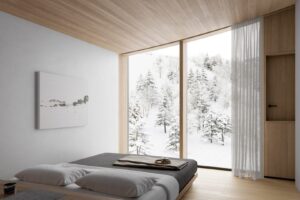
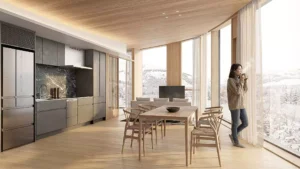
One project to watch closely is the emerging Miru Happo development, which reflects a broader trend toward design-led, internationally aligned accommodation in Hakuba. While still in its early stages, Miru Happo signals a move toward more cohesive, professionally managed product in the village, similar to what has driven performance in other Japanese resort markets.
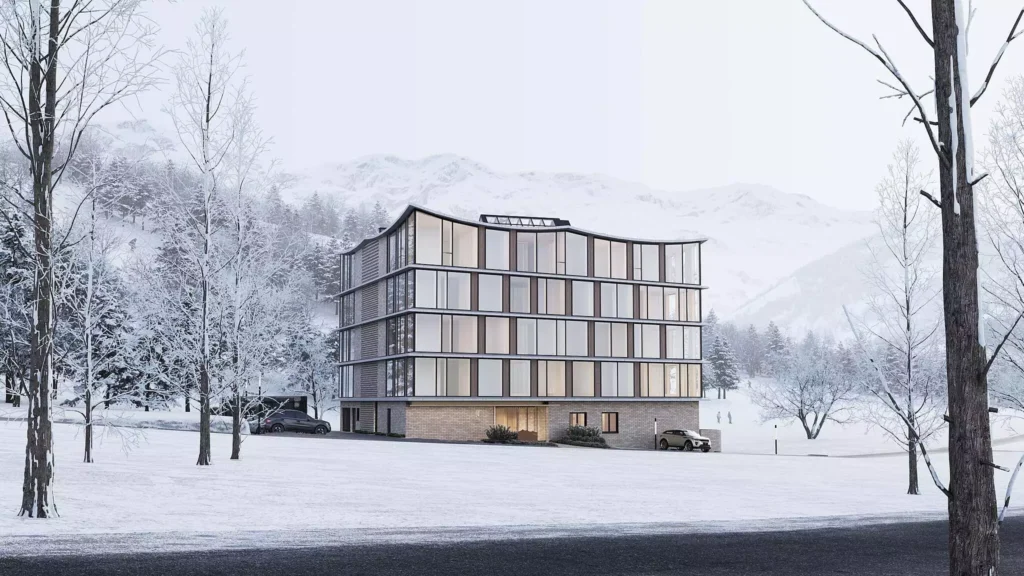
This type of development matters because it helps:
- Lift the overall standard of accommodation in the area
- Attract higher-spending international guests
- Improve consistency of guest experience across seasons
Alongside Miru Happo, buyers should also consider:
- Apartments within walking distance of the Nakiyama base
- Chalets in central Happo Village with established rental performance
- Well-located sites with redevelopment potential near lift access
Recent market activity already shows that proximity to major infrastructure upgrades can influence pricing and demand. In Hakuba, properties within close range of new developments have seen measurable value increases following announcements.
As with most resort markets, the uplift is not evenly distributed. It tends to concentrate around areas where access, amenity, and guest flow intersect.
Summary
The new gondola at Happo-One reflects growing demand, increased competition between Japanese resorts, and a broader shift toward higher-quality infrastructure across the market.
For property buyers, the takeaway is straightforward. Access and usability continue to drive value. Projects that improve both tend to have a lasting impact on how a resort performs, not just in a single season, but over the long term.