In a thin alpine market like Niseko, the difference between a strong asset and a merely attractive one rarely lies in finishes alone. Liquidity, rental resilience, and long-term capital preservation are driven by structural features — many of which do not photograph well in marketing campaigns.
As more transactions move into private channels, understanding what truly drives value becomes increasingly important. Off-market apartments often represent tightly held inventory. But scarcity alone does not guarantee performance.
The following features consistently influence demand depth, rental durability, and resale defensibility in Niseko’s established apartment market.
1.) Dedicated Parking: The Underestimated Differentiator
Parking in central Hirafu has transitioned from convenience to strategic asset.
In earlier growth cycles, parking was viewed as a secondary amenity. The assumption was that most guests would rely on transfers or shuttles. That assumption no longer reflects current behaviour. A growing proportion of winter visitors now self-drive from New Chitose Airport, particularly families and regional Asian travellers. For these guests, parking is not optional — it is expected.
At the same time, land scarcity has forced newer developments to reduce parking ratios in order to maximise buildable area. The consequence is subtle but meaningful: apartments with deeded or exclusive-use parking are becoming relatively scarcer over time.
This has two clear implications:
- Rental performance becomes more stable during peak periods because guests face fewer logistical barriers.
- The resale buyer pool broadens, as families and long-stay owners prioritise practical usability.
The effect is not always visible in headline pricing, but it emerges during negotiation and exit. Properties without secure parking often face narrower buyer competition.
“Parking has quietly become one of the strongest liquidity filters in central Hirafu. Buyers may not lead with it — but they eliminate quickly if it’s missing.”
Nisade Realestate Director, Sherry Yen
In a constrained alpine village, practical convenience compounds over time.
2. Walkability: The Hidden Yield Multiplier
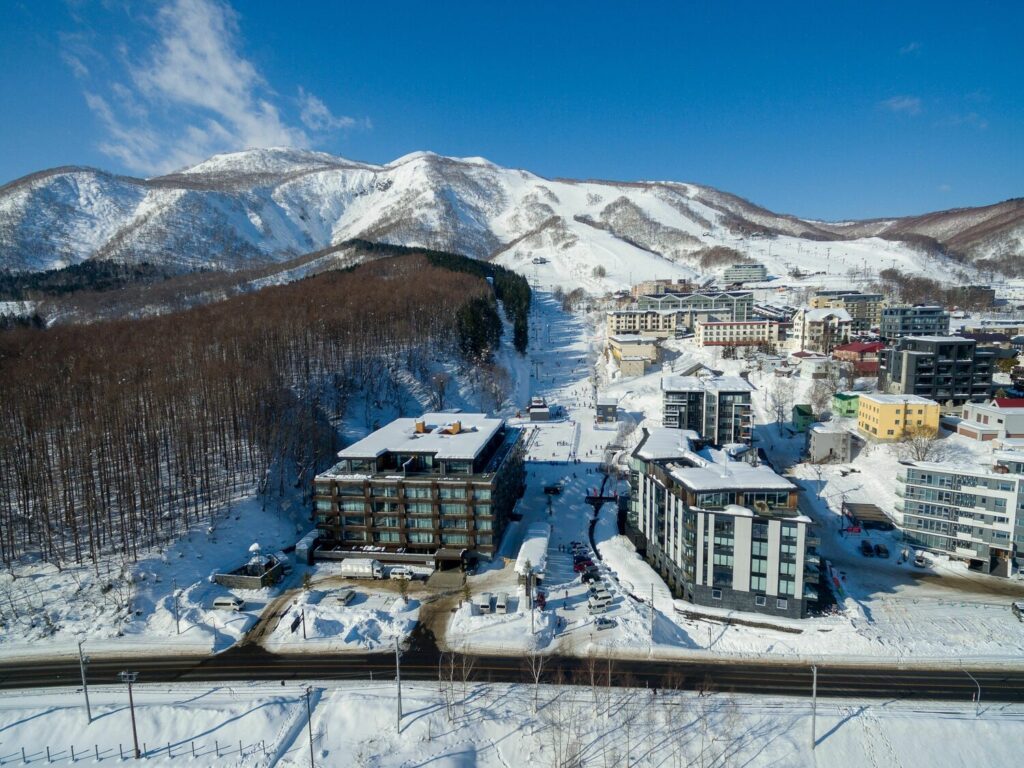
In many global cities, walkability is lifestyle marketing. In Niseko, it is yield mathematics.
Winter compression in Hirafu is strongest where friction is lowest. Apartments within walking distance of lifts, restaurants, and retail remove logistical complexity from the guest experience. In peak conditions — heavy snowfall, icy roads, limited roadside space — proximity becomes decisive.
The performance difference is often subtle but measurable. Walkable assets tend to demonstrate:
- Stronger ADR consistency
- Higher repeat guest ratios
- Reduced dependence on shuttle systems
Peripheral properties can perform well, particularly when supported by efficient transport infrastructure. However, their performance becomes more management-dependent. In contrast, central positioning builds structural resilience into the asset itself.
From a resale perspective, walkability widens the buyer profile. Investors seeking rental performance, lifestyle owners seeking convenience, and hybrid buyers seeking both are all attracted to central positioning.
Liquidity in alpine markets correlates closely with convenience density.
3.) Authentic Ski Access: Convenience That Markets Itself
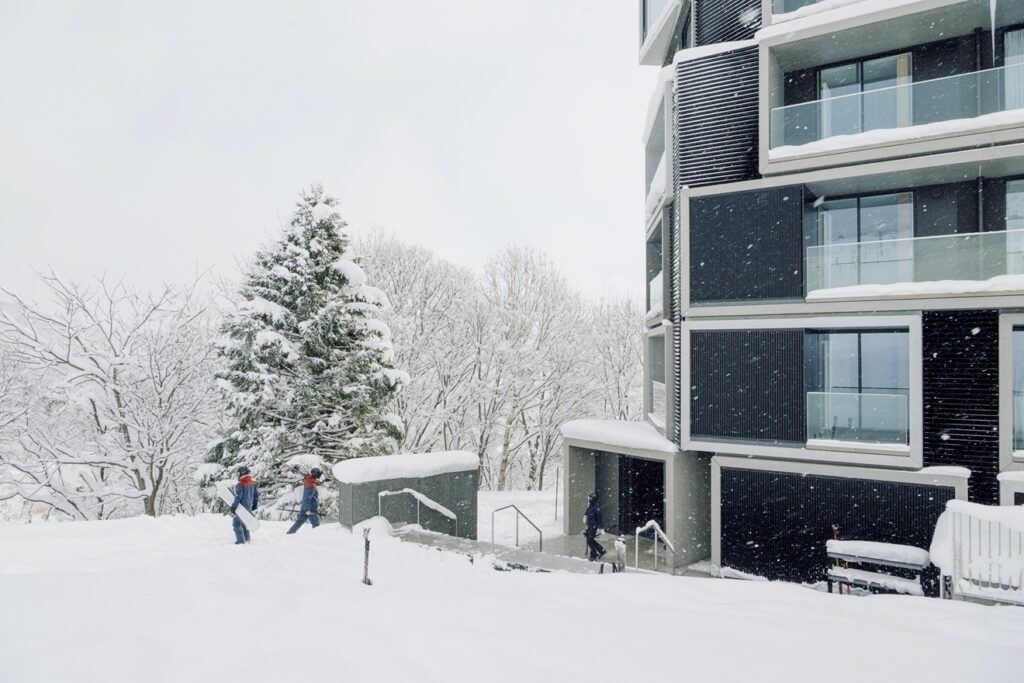
The distinction between “true ski-in/ski-out” and “near the slopes” is not semantic — it is economic.
True ski-in/ski-out inventory is finite. The number of apartments with direct slope interface in Hirafu and Hanazono will not meaningfully increase without significant redevelopment. That scarcity supports pricing integrity over long cycles.
More importantly, authentic ski access reduces reliance on operational excellence to drive bookings. The location itself becomes the primary marketing asset.
Shuttle-dependent apartments can still perform strongly under professional management. However, they are inherently more sensitive to operational disruption, weather variability, and guest logistics.
Buyers increasingly underwrite this distinction carefully.
“In mature ski markets globally, authentic ski access commands structural premiums because it reduces dependency on everything else.”
Nisade Realestate Director, Sherry Yen
As Niseko transitions from growth narrative to asset-class maturity, this differentiation becomes more pronounced.
4. Proven Rental Performance: The Institutional Shift
Speculative yield projections dominated early cycles of the Niseko market. That era is receding.
Today’s buyers increasingly request evidence:
- Historical winter occupancy
- ADR trends across multiple seasons
- Net income after management and operating costs
- Expense transparency
This reflects a broader maturation of the buyer base. Singaporean, Hong Kong, and domestic Japanese investors now approach acquisitions with underwriting frameworks similar to urban income property analysis.
Off-market apartments with two or more seasons of documented performance reduce perceived risk materially. Even when headline yield is similar to a new development, the existence of operating history narrows uncertainty.
To illustrate, buyers typically evaluate rental resilience through a layered lens:
| Performance Variable | Investor Interpretation |
| Winter Occupancy | Peak demand confirmation |
| Shoulder Season Contribution | Stability beyond ski peak |
| Net Yield After Fees | Real capital efficiency |
| Repeat Guest Ratio | Brand durability |
The market is no longer yield-optimistic. It is yield-disciplined.
5. Functional Layout: Why Design Efficiency Outperforms Size
In Niseko’s winter-heavy climate, layout often matters more than square meterage.
Guests travel with equipment. Wet gear must dry overnight. Family groups require spatial separation. Storage influences comfort. These practical realities determine guest satisfaction — and guest satisfaction influences rental performance.
A well-configured 85 sqm apartment with proper ski storage, drying capacity, and clear bedroom zoning can outperform a poorly organised 100 sqm unit.
Operational friction compounds quickly in winter environments. Poor circulation, limited storage, or inefficient heating layouts create negative reviews. Negative reviews suppress ADR over time.
Design efficiency therefore has a measurable financial dimension. It is not merely aesthetic preference.
As rental review platforms increasingly influence booking decisions, layout becomes part of long-term yield underwriting.
6.) Construction Quality & Alpine Durability
Niseko’s climate imposes structural demands that many first-time alpine investors underestimate. Heavy snowfall, repeated freeze–thaw cycles, sub-zero winter temperatures, and high moisture loads place consistent pressure on building envelopes.
In a market transitioning toward institutional-grade underwriting, construction quality is no longer a background detail — it is a core valuation factor.
Snow Load Engineering and Structural Integrity
Roof pitch, load calculations, drainage design, and reinforcement standards are not aesthetic considerations. They directly affect long-term maintenance risk.
Buildings engineered conservatively for snow load demonstrate lower capex volatility over time. In contrast, aggressive cost optimisation in structural components can surface years later through recurring remediation works.
In alpine markets globally, structural resilience under extreme winter conditions correlates closely with long-term asset preservation.
Thermal Efficiency and Heating Infrastructure
Insulation standards and heating system design materially influence both operating cost and guest comfort.
Poor thermal performance results in:
- Higher winter utility expenses
- Uneven internal temperatures
- Negative guest feedback
Well-insulated properties with reliable heating redundancy maintain stronger winter satisfaction scores and protect net yield from escalating energy costs.
As utility pricing volatility increases globally, thermal performance becomes part of financial modelling — not simply a comfort metric.
Exterior Materials and Long-Term Maintenance
Cladding, façade systems, balcony detailing, and drainage must withstand snow accumulation, ice expansion, and moisture penetration.
Buildings that age poorly require more frequent façade maintenance and can visually date faster than expected. In a small market, aesthetic fatigue impacts buyer perception disproportionately.
Conversely, properties with durable materials and consistent maintenance histories tend to retain perceived value stability.
Maintenance Planning and Reserve Transparency
Sophisticated buyers increasingly request documentation around:
- Sinking fund reserves
- Planned capital expenditure schedules
- Historical maintenance records
This reflects a broader evolution in the Niseko buyer base. As the market matures, investors underwrite not just purchase price and yield — but long-term holding cost predictability.
“In heavy snow climates, durability is value. The buildings that age well often outperform newer stock that was engineered aggressively.”
Nisade Realestate Director, Sherry Yen
Construction quality is therefore less about novelty and more about resilience. In an alpine context, resilience compounds over decades.
7. Scarcity Within Established Buildings
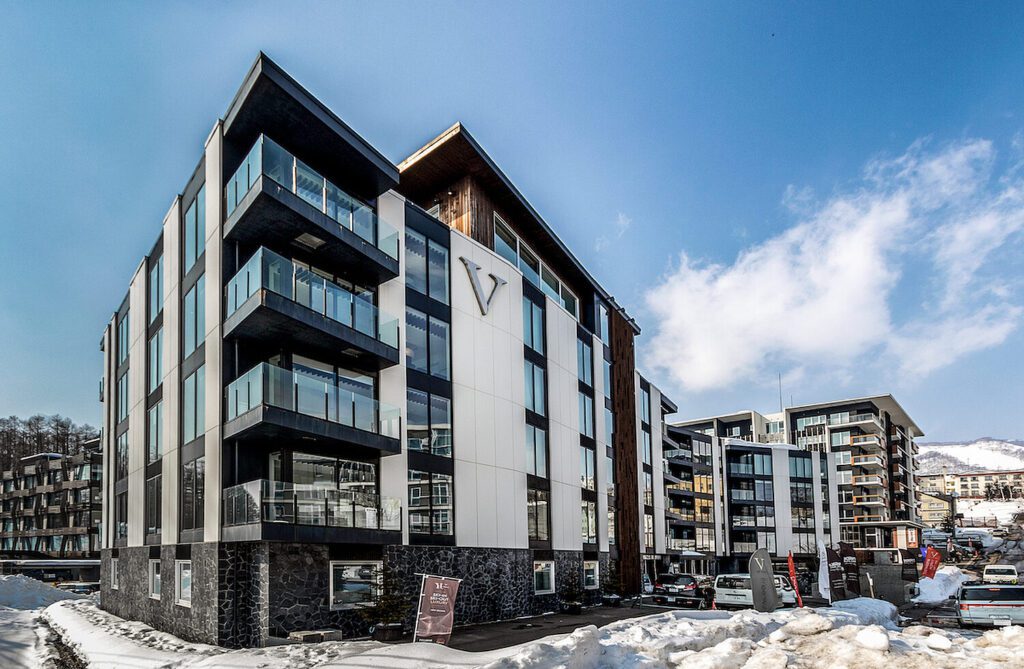
Scarcity in Niseko does not only apply to land. It increasingly applies to reputation.
Certain apartment buildings in Hirafu and surrounding villages now demonstrate low annual turnover, consistent rental branding, and recognisable market positioning. These buildings behave differently to newly launched inventory.
Low Turnover as a Confidence Signal
When resale frequency is low, it often reflects owner satisfaction and long-term holding intent.
In thin markets, consistent retention can indicate:
- Stable rental performance
- Owner confidence in asset durability
- Strong community perception
Buyers interpret low turnover not as illiquidity, but as endorsement.
Embedded Rental Branding and Repeat Demand
Some established buildings benefit from repeat guest bases developed over multiple seasons.
Repeat occupancy reduces marketing volatility and smooths ADR compression during peak winter weeks. Over time, this creates embedded operational strength that new developments cannot immediately replicate.
In rental-driven markets, brand familiarity matters.
Market Familiarity and Buyer Comfort
In a small alpine environment, certain buildings become known quantities among brokers, returning guests, and investors.
This familiarity lowers perceived risk at resale because buyers:
- Understand layout configurations
- Recognise performance history
- Can benchmark comparable units more easily
Reduced informational uncertainty often translates into stronger negotiation positioning.
“In Niseko, reputation compounds. Buildings with proven performance and limited turnover tend to behave more defensively in slower cycles.”
Nisade Realestate Director, Sherry Yen
Scarcity within established buildings therefore supports both rental resilience and capital stability.
The Strategic Role of Off-Market Transactions
Off-market strategy in Niseko is not about exclusivity theatre. It is about pricing control in a thin market.
Public listings in small alpine environments can create unintended signals. Visible price reductions, prolonged days-on-market, or broad exposure without qualification can influence perception disproportionately.
A controlled off-market approach shifts the dynamic.
Targeted Capital Over Broad Exposure
Selective marketing allows assets to be presented directly to qualified buyers whose acquisition criteria align with the property’s strengths.
This reduces:
- Casual enquiry noise
- Unrealistic negotiation anchors
- Public price anchoring
In a market where transaction depth is limited, precision can outperform volume.
Protecting Pricing Integrity
Public price adjustments in thin markets can ripple beyond the individual asset, influencing buyer expectations across comparable inventory.
Off-market positioning allows for price discovery through dialogue rather than public repricing. This protects both the asset and the broader building ecosystem from unnecessary downward signalling.
Signalling Confidence, Not Urgency
Discretion can also communicate strength. When properties trade quietly among qualified capital pools, the narrative becomes one of selective opportunity rather than motivated sale.
For sellers, this preserves brand positioning.
For buyers, it provides access to inventory that may not otherwise surface.
As Niseko continues to mature toward institutional norms, off-market transactions are becoming less exception and more strategy.
Final Perspective: Value Is Structural, Not Cosmetic
As Niseko continues to mature into a recognised Asia-Pacific alpine asset class, underwriting sophistication is increasing.
The features that consistently drive performance are not speculative. They are structural:
- Parking
- Walkability
- Authentic ski access
- Documented rental history
- Functional design
- Build durability
- Scarcity within respected buildings
Apartments that combine multiple attributes tend to demonstrate both rental resilience and exit defensibility.
For investors, these characteristics are not lifestyle details. They are capital protection mechanisms.