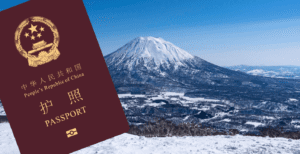
News around Chinese travel advisories and restrictions toward Japan has raised understandable questions among property buyers watching Niseko from abroad. For some, the concern is simple: if one of Asia’s largest outbound travel markets slows, does that weaken the foundations of Niseko’s real estate market?
The short answer is no. Tourism headlines and property fundamentals operate on very different timelines. While visitor flows can fluctuate year to year, real estate decisions in Niseko are shaped by long-term lifestyle planning, supply scarcity, currency dynamics, and yield durability. These drivers are not materially altered by short-term travel policy shifts.
Understanding that distinction is key to reading the current market clearly.
What Are the Current Restrictions on Chinese Travel?
At present, travel between China and Japan continues to evolve through a mix of advisories, capacity controls, and diplomatic positioning rather than outright bans. Airline capacity has not fully returned to pre-pandemic levels, and outbound travel sentiment from China remains cautious compared with markets such as Australia and North America.
What is important for buyers to recognise is that these measures are not permanent structural barriers. Historically, outbound travel policies from China have adjusted repeatedly in response to political and economic conditions, often normalising over time. They also tend to impact discretionary tourism far more than long-term capital allocation decisions.
From a real estate perspective, this distinction matters.
Tourism Volatility and Property Markets Are Not the Same
Tourism is cyclical by nature. Property investment is not.
Most Niseko buyers are not purchasing based on this winter’s arrival numbers or next season’s airline schedules. They are planning across decades. Lifestyle buyers think in terms of family use, seasonal enjoyment, and long-term enjoyment of place. Investment buyers focus on asset quality, yield resilience, and capital preservation.
A temporary shift in visitor mix does not change the fundamentals that underpin those decisions. Niseko’s natural attributes, established resort infrastructure, and limited developable land remain exactly as they were before any advisory was issued.
Markets that weaken materially due to tourism headlines are usually those where supply can expand quickly or demand is highly speculative. Niseko is neither.
Who Actually Buys Property in Niseko?
One common misconception is that Niseko property demand relies heavily on a single source market. In reality, the buyer base is diverse and internationally distributed.
Australian buyers have long formed a significant portion of ownership, supported by strong air access and deep familiarity with snow travel. Hong Kong, Singapore, North America, and Japan itself continue to account for substantial transaction activity. Many buyers are repeat owners, returning to expand portfolios rather than entering for the first time.
Chinese buyers have historically been part of this mix, but they have never been the sole driver of market liquidity. Importantly, many transactions occur independently of tourism cycles, often involving buyers who already understand the region and are acting on long-term conviction.
This diversity is one of the market’s stabilising features.
Supply Constraints Matter More Than Visitor Headlines
Real estate value in Niseko is shaped less by how many people arrive in a given season and more by how much quality property can realistically be delivered.
Land availability is finite. Planning and zoning controls have tightened over time. Infrastructure capacity limits how quickly new supply can be absorbed. These constraints create a natural buffer against oversupply, even during periods of rapid tourism growth.
When tourism demand softens temporarily, supply does not suddenly expand to compensate. That imbalance supports long-term pricing stability, particularly for well-located, well-managed assets.
This is why quality properties in Hirafu, Hanazono, and established residential zones continue to attract interest regardless of short-term sentiment.
Yield Depends on Peak Performance, Not Visitor Origin
Rental performance in Niseko is driven primarily by peak winter demand, not by the nationality of individual guests. January and February occupancy remains the cornerstone of annual returns, with strong pricing power during limited high-season inventory windows.
Even if one source market slows, others typically fill the gap. Australia, North America, and intra-Asia travel continue to support winter demand. Increasing summer visitation further diversifies income potential, particularly for properties positioned for year-round use.
For investors, the more relevant questions are asset quality, location, and management strategy. These factors determine yield sustainability far more than short-term shifts in visitor origin.
A Market That Has Absorbed Disruption Before
Niseko has experienced disruption before. Global financial cycles, currency swings, border closures, and construction cost inflation have all tested the market at different times.
What history shows is not uninterrupted growth, but resilience. Transaction volumes adjust. Buyer profiles evolve. Quality assets continue to trade, often changing hands between long-term holders rather than speculative entrants.
Periods of uncertainty have frequently created opportunities for buyers willing to take a measured, informed view rather than reacting to headlines.
What This Means for Buyers Today
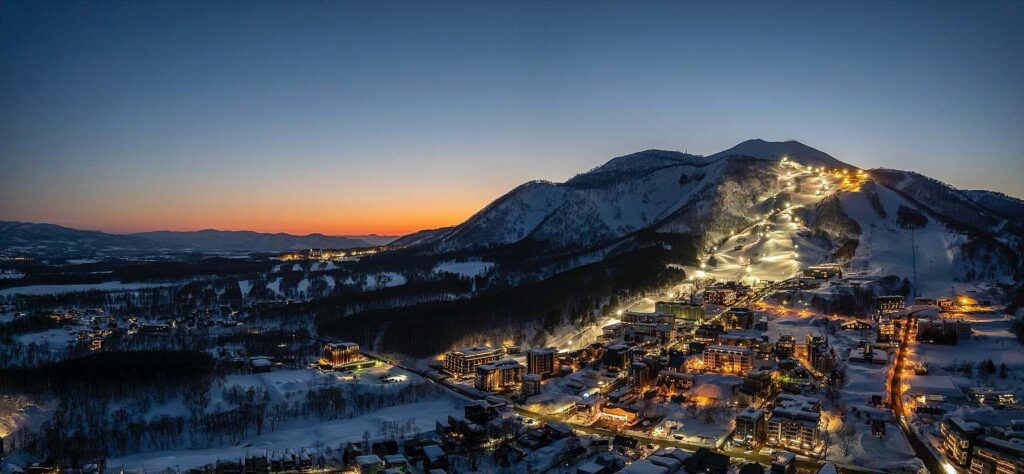
For lifestyle buyers, current travel advisories should have little bearing on purchase decisions. The reasons people choose Niseko as a second home remain intact.
For investment buyers, the focus should remain on fundamentals. Scarcity, planning discipline, international demand diversity, and long-term resort development continue to support value.
For existing owners, the market environment supports thoughtful holding or selective expansion rather than reactive decisions driven by short-term news cycles.
Niseko’s story has always been generational rather than seasonal.
Key Takeaways for Property Buyers
- Chinese travel restrictions affect tourism sentiment, not Niseko real estate fundamentals
- Property investment decisions operate on long-term horizons, not seasonal headlines
- Niseko’s buyer base is diversified across multiple international markets
- Supply constraints and planning controls underpin long-term value
- Short-term uncertainty often creates opportunity for patient, informed buyers