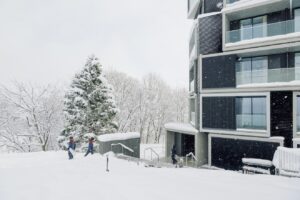
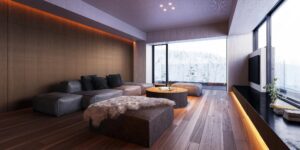
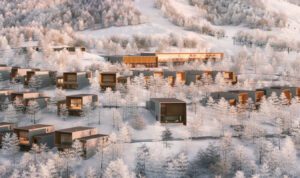
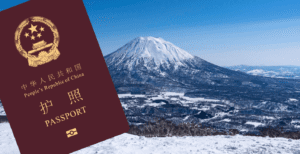
Niseko, Hokkaido, has cemented its status as the “Aspen of Asia,” transforming from a local ski hill into a year-round, luxury resort destination. The region, famous for its deep, consistent powder snow and stunning views of Mt. Yotei, is a magnet for high-net-worth individuals and international investors.
While the market offers tremendous potential for both lifestyle and capital appreciation, buying property in Niseko requires a specialized understanding of Japanese legal, tax, and market dynamics. This comprehensive guide provides 11 essential, localized tips to help you navigate the process and secure your ideal Hokkaido property investment.
1. Define Your Primary Objective: Lifestyle vs. Rental Income
Before you begin browsing listings, a successful purchase starts with a clear objective. The Niseko market requires buyers to decisively choose between two distinct strategies, as your goal dictates the optimal property type and location.
Buying as a Holiday Home (Lifestyle)
If your priority is personal use and enjoyment, focus on liveability, surroundings, and practical services. Features that enhance your stay, such as guaranteed snow clearing, easy access to transport (shuttles or buses), proximity to key dining and nightlife, and secure storage for equipment, are crucial. Well-located homes with strong fundamentals tend to hold their long-term appeal across different market conditions.
Buying for Investment (Rental Income)
If maximizing your returns is the main driver, access and efficiency become paramount. Properties with direct ski-in/ski-out access or immediate proximity to resort infrastructure consistently perform better in rental pools due to high occupancy rates during peak season. Layout efficiency for guest use and professional property management services are non-negotiable for stable returns.
2. Understand Niseko’s Four Distinct Village Profiles
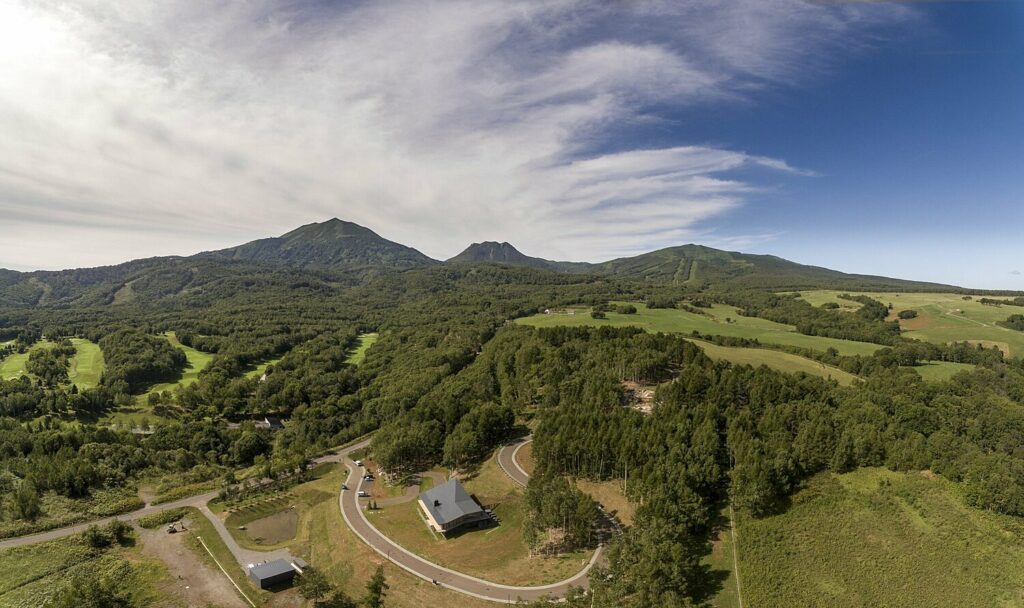
Niseko is comprised of four main areas, each with a unique character that affects property value and rental demand. Location selection is the most critical decision a buyer will make.
Grand Hirafu: The Epicenter
Grand Hirafu is the busiest and most international of the four resorts. It boasts the highest concentration of high-end developments, restaurants, bars, and amenities. Properties here command the highest price premium and typically deliver the strongest rental yields due to their central location.
Niseko Village: Exclusive and Developing
Located between Hirafu and Annupuri, Niseko Village is managed by the YTL Group and features high-end hotels like the Ritz-Carlton Reserve. It offers a more structured, quieter experience than Hirafu, with investment rising rapidly in developments like Snow Dog Village.
Annupuri: Quiet and Family-Focused
Annupuri is the quietest of the four, known for its gentler slopes and a more traditional, laid-back atmosphere. It appeals to buyers prioritizing mountain tranquility and less crowded runs, offering competitive value for premium land.
Kutchan Town: The Shinkansen Effect
Kutchan, the administrative and service hub for the entire region, is a crucial area for long-term investment. The Hokkaido Shinkansen (bullet train) extension is set to arrive in Kutchan by 2030. This infrastructure improvement is expected to connect the area directly to major population centres like Tokyo, dramatically increasing both domestic visitation and the value of surrounding residential and commercial land. Buying land or older, cash-flowing buildings in Kutchan is a common strategy for investors with a longer horizon.
3. Plan for a Cash-Based Transaction
A crucial reality for non-resident foreign buyers in Niseko is the difficulty of securing domestic bank financing.
Japanese banks do not typically lend to non-residents using the Niseko property as security unless the buyer holds permanent residency or has a substantial track record in Japan. Foreign buyers should plan to fund the purchase entirely through personal funds or via international lenders.
This cash-dominant investor base has historically contributed to the Niseko market’s resilience, as owners are less susceptible to economic downturns that affect highly leveraged markets.
4. Build a Trusted and Bilingual Local Team
The purchase process in Japan, while straightforward for foreigners (as properties are almost universally freehold), is paper-heavy and requires specialist knowledge.
- Real Estate Agent: Select an agent with a proven, multi-year track record specifically in the Niseko resort market, as they provide data-backed valuations and access to off-market listings.
Legal Scrivener (Shiho-shoshi): Appoint an English-speaking legal professional to handle all registration documents, confirm the title is free of encumbrances, and facilitate the legal transfer of ownership on settlement day.
5. Calculate the Full Cost of Acquisition (7-10% Over Price)
Beyond the purchase price and the initial deposit (typically 10%), an additional 7% to 10% of the property value should be budgeted for one-time transaction costs.
| Cost Component | Standard Rate (Approximate) | Note |
| Agent Commission | 3% of the price + ¥60,000 + 10% consumption tax (Source: Niseko Property) | Mandatory for services rendered. |
| Real Estate Acquisition Tax | 3%–4% of the government-assessed value (Source: Japan Property) | One-time prefectural tax, usually lower than the market price. |
| Registration & License Tax | Approx. 1.5%–2% of the government-assessed value (Source: Taiga Real Estate) | For registering the title transfer. |
| Stamp Duty | Varies (e.g., ¥10,000 for ¥10M–¥50M contracts) (Source: Japan Property) | Tax on the sales contract. |
6. Appoint a Non-Resident Tax Proxy
If you do not live in Japan, you are legally required to appoint a Tax Representative, or Tax Proxy, to act on your behalf. This is a critical step for fulfilling local obligations.Your Tax Proxy is responsible for managing and paying the yearly Fixed Asset Tax (similar to local property tax), which is levied at approximately $1.4\%$ of the government-assessed value, plus a City Planning Tax (up to $0.3\%$ in urban areas like Kutchan). The tax bill is issued annually in May.
7. Plan for Dual-Season Performance
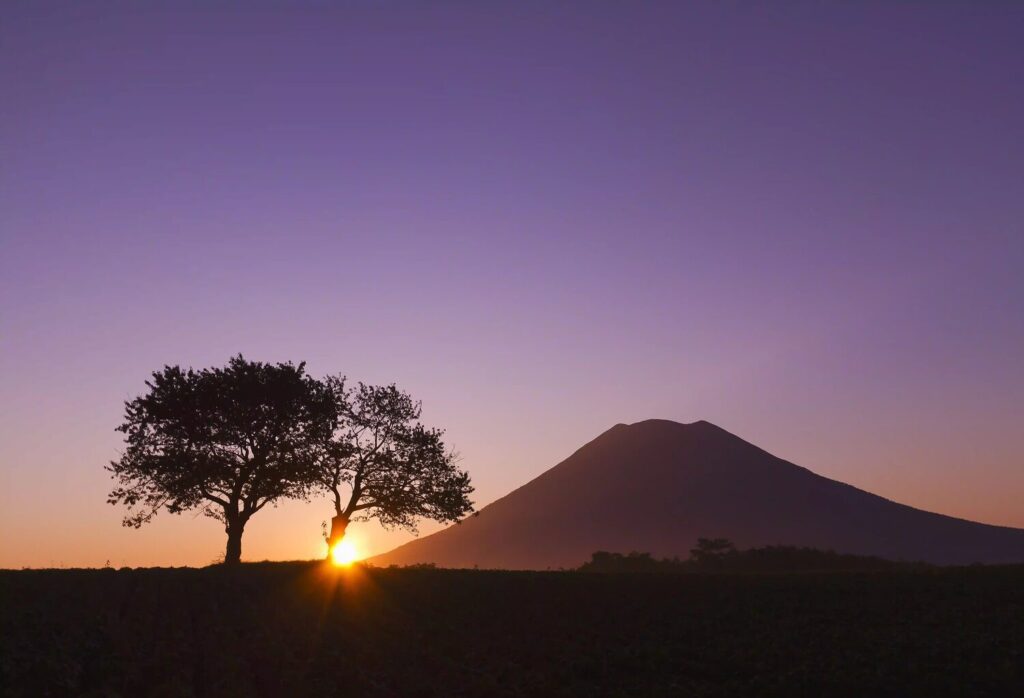
While the powder snow is Niseko’s calling card, the market is quickly moving towards a genuine all-season destination. Property performance and value are increasingly tied to year-round appeal (Source: janken).
- Summer Appeal: Consider features that cater to the “Green Season” (golf, hiking, dining, cycling). Properties with air conditioning, decks, and flexible layouts are better suited to maximize occupancy in the warmer months.
Onsen Access: Plots with access to a private onsen (hot spring) are extremely desirable and scarce due to tighter planning restrictions, making them a significant value-add feature for both personal enjoyment and rental income.
8. Prioritize View Protection and Architecture
In a premium resort setting, the visual appeal of a property is a core part of its value. Stunning, unobstructed views of Mt. Yotei are highly prized and command a premium.When buying land for construction, you must rigorously confirm local zoning laws to ensure your views—and your neighbours’ views—are protected and that your development adheres to height, setback, and road access rules (Source: Nisade Real Estate). This diligence prevents costly planning disputes and protects the resale value of your asset.
9. Understand the Legal Documentation (The Key Check)
The legal process is absolute, as foreigners can own freehold title outright. The most important document you will receive is the “Explanation of Important Matters” (or Jūyōjikō Setsumei Sho).
This comprehensive document, presented by the real estate agent before the final Purchase Agreement, details every legal and factual aspect of the property, including its history, any potential defects, zoning restrictions, and tax liabilities. Reviewing this document with your legal team is your final major check before committing to the 10% deposit. The entire process, from signed Commitment to Purchase to final settlement, typically takes 4–6 weeks.
10. Consider the Currency Exchange Strategy

In a market where transactions are cash-based and prices are set in Japanese Yen (JPY), the exchange rate between your home currency and the JPY can be the single greatest factor impacting your final purchase cost and potential return.
Many foreign buyers capitalize on periods of Yen weakness to make the acquisition more affordable, effectively putting the property “on sale.” Monitor the exchange rate actively and be prepared to move funds when the rate is favorable.
11. Look for Strategic Value-Add Opportunities
The Niseko market has a high barrier to entry with new, luxury condominium hotels constantly being developed. Investors can find strategic value by looking beyond new builds.Older properties in prime locations that are well-maintained but lack modern features (like air conditioning for summer or updated layouts) often represent an excellent value-add opportunity. Buying such a property at a lower acquisition cost and making targeted, high-impact renovations can significantly boost its rental appeal and capital appreciation.
Summary of Key Niseko Buying Tips
- Define Purpose: Choose clearly between a Lifestyle Home (prioritizing liveability) or an Investment Property (prioritizing ski access and efficiency).
- Know Your Villages: Research the distinct personalities of Grand Hirafu, Niseko Village, Annupuri, and the infrastructure-driven future of Kutchan Town (Shinkansen effect).
- Plan for Cash: Assume you will need to fund the entire purchase without Japanese bank financing as a non-resident.
- Build Your Team: Hire a Niseko-specific real estate agent and a bilingual Legal Scrivener to navigate Japanese property law.
- Budget Fully: Factor in 7%–10% on top of the purchase price for one-time costs like Agent Commission, Acquisition Tax, and Registration Fees.
- Appoint a Proxy: Non-residents must appoint a Tax Proxy to manage annual Fixed Asset Tax payments.
- Verify Dual-Season Appeal: Ensure the property has features that support year-round use to maximize rental income and long-term value.
- Check Views and Zoning: Prioritize properties with guaranteed Mt. Yotei views and confirm all development adheres to local zoning laws with your agent.